东北大学学报(自然科学版) ›› 2025, Vol. 46 ›› Issue (11): 58-65.DOI: 10.12068/j.issn.1005-3026.2025.20240078

• 材料与冶金 • 上一篇    下一篇

控制轧制对高锰高氮奥氏体钢组织与性能的影响

张楚恒, 李艳梅, 邓想涛(), 王昭东   

  1. 东北大学 数字钢铁全国重点实验室,辽宁 沈阳 110819
  • 收稿日期:2024-04-08 出版日期:2025-11-15 发布日期:2026-02-07
  • 通讯作者: 邓想涛
  • 作者简介:张楚恒(2000—),男,湖北襄阳人,东北大学博士研究生
  • 基金资助:
    国家重点研发计划项目(2022YFB3705300)

Influence of Controlled Rolling on Microstructure and Performance of High-Manganese and High-Nitrogen Austenitic Steels

Chu-heng ZHANG, Yan-mei LI, Xiang-tao DENG(), Zhao-dong WANG   

  1. State Key Laboratory of Digital Steel,Northeastern University,Shenyang 110819,China.
  • Received:2024-04-08 Online:2025-11-15 Published:2026-02-07
  • Contact: Xiang-tao DENG

摘要:

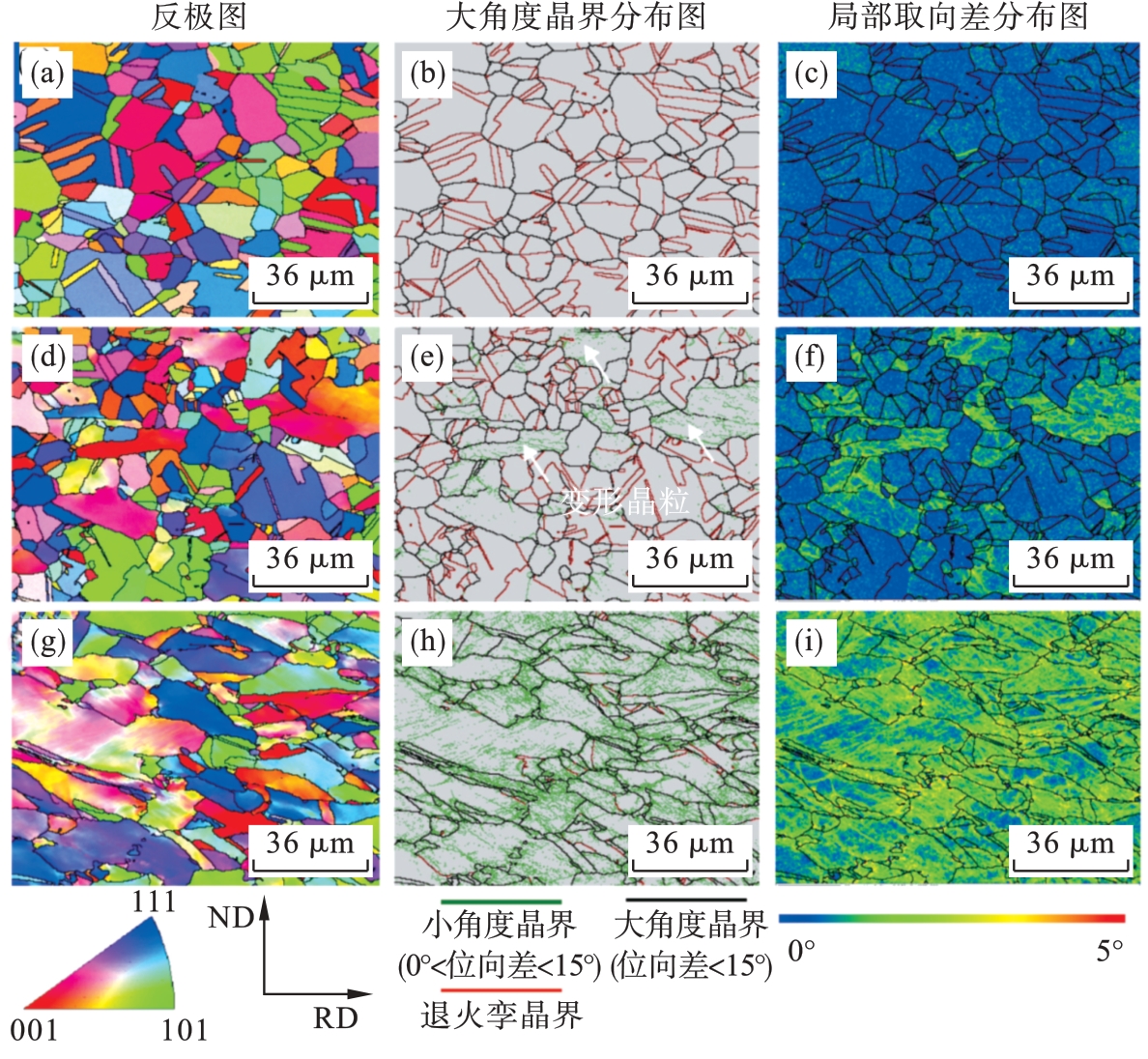
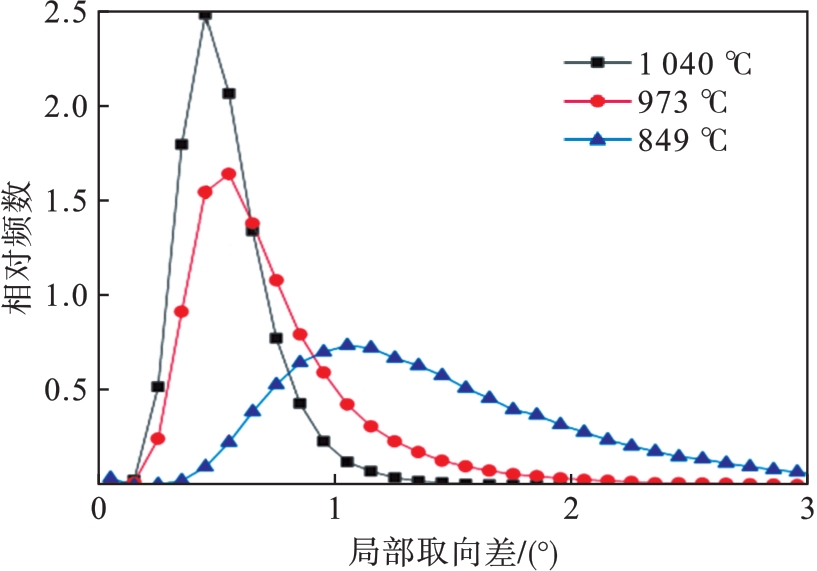
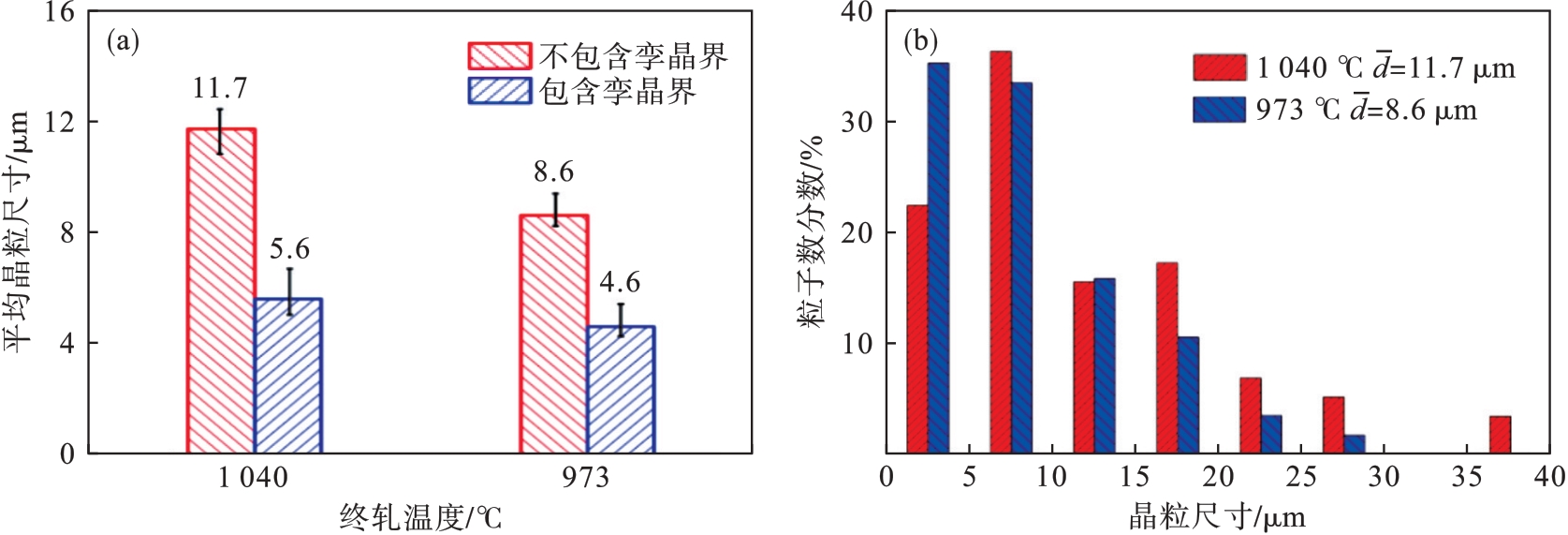
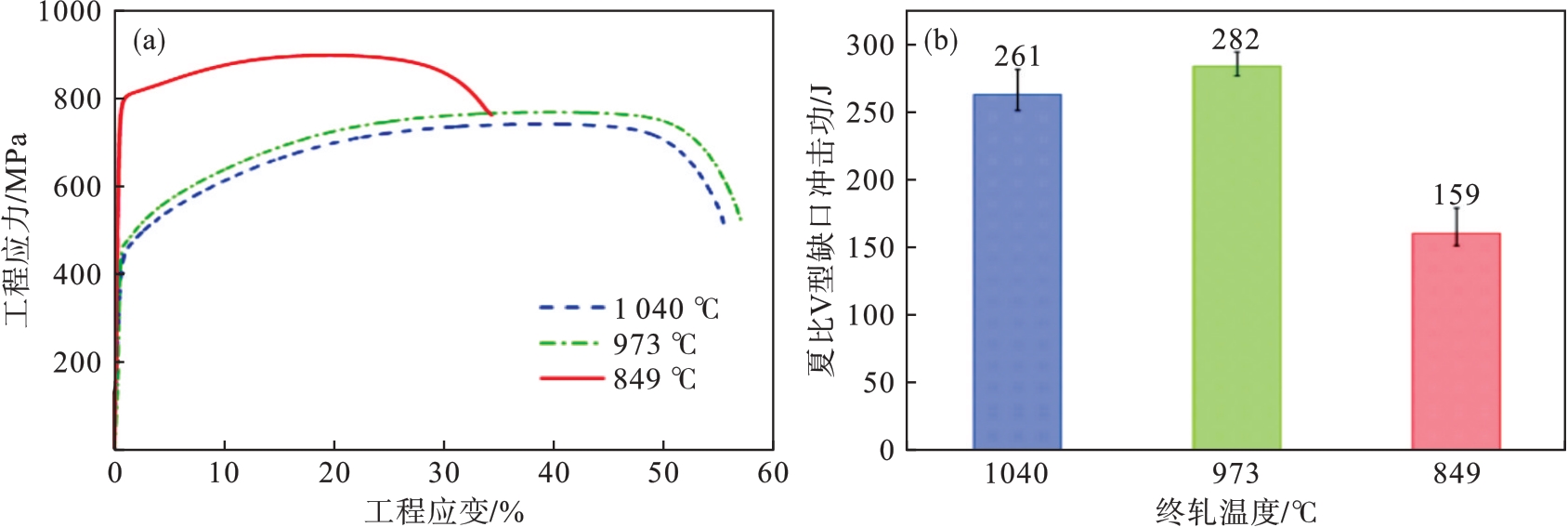
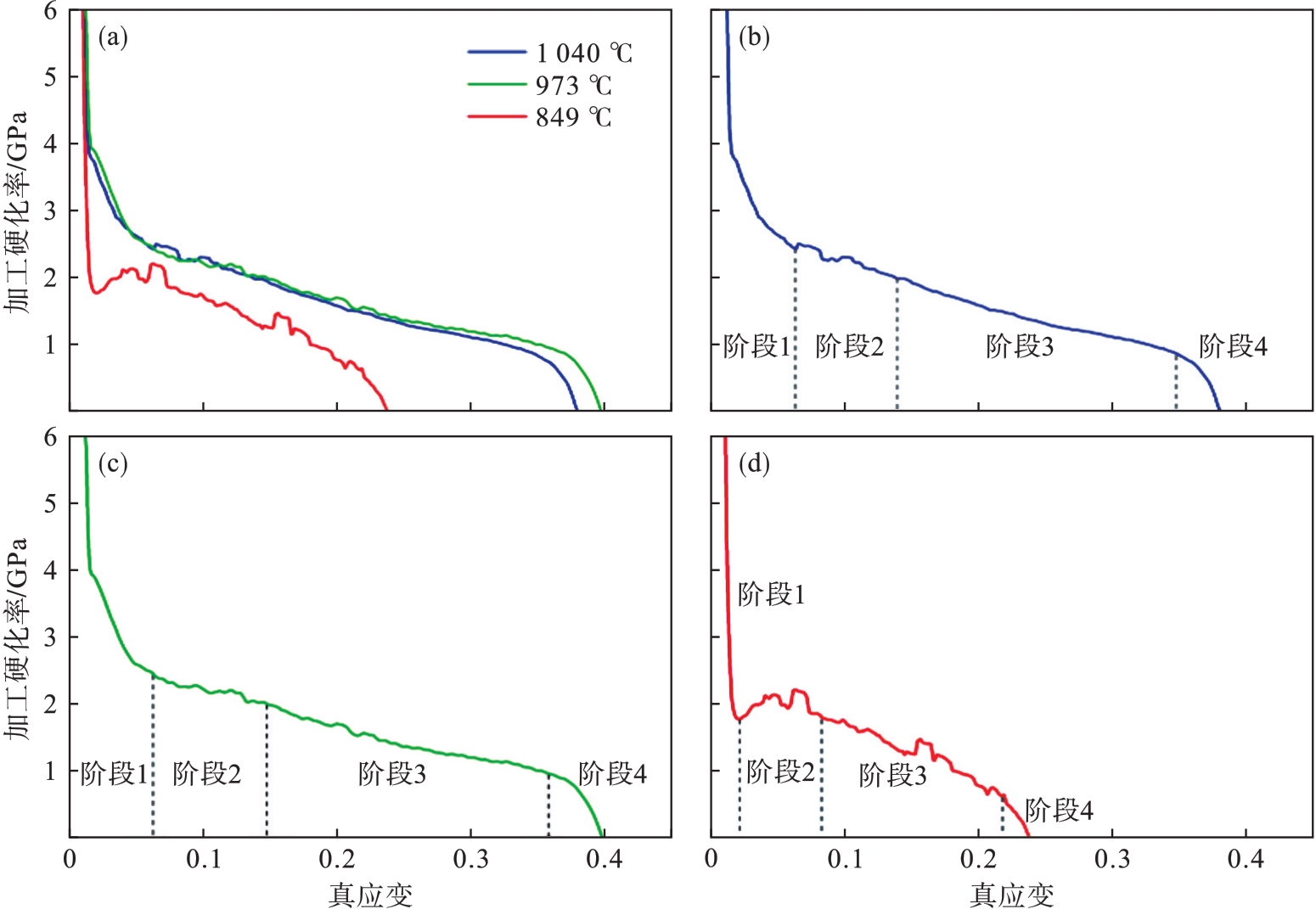
为提升高锰高氮奥氏体钢的屈服强度,采用SEM、EBSD等表征手段,系统研究了控制轧制工艺对Fe-Mn-Cr-N体系高锰高氮奥氏体钢微观组织演变及力学性能的影响,分析了再结晶区轧制和未再结晶区轧制两种轧制工艺在不同轧制温度下实验钢的组织与性能演变特征.当终轧温度从1 040 ℃下降至973 ℃时,实验钢的平均晶粒尺寸减小,同时出现少量变形组织,其强度、塑性和韧性均随终轧温度降低而略有提高.当终轧温度下降至未再结晶区内的849 ℃时,实验钢内充满具有更高位错密度的变形奥氏体晶粒,屈服强度和抗拉强度均显著提高.未再结晶区的低温轧制可以克服传统高锰奥氏体钢屈服强度不足的局限,获得较好的综合力学性能.

关键词: 控制轧制, 终轧温度, 高锰高氮奥氏体钢, 组织性能, 位错强化

Abstract:

To improve the yield strength of high-manganese and high-nitrogen austenitic steels, characterization methods such as scanning electron microscope (SEM) and electron backscatter diffraction (EBSD) were used, and the influence of the controlled rolling process on the microstructure evolution and mechanical properties of high-manganese and high-nitrogen austenitic steels in the Fe-Mn-Cr-N system was systematically investigated. The evolution characteristics of the microstructure and properties of the experimental steels were analyzed in two rolling processes at different temperatures: rolling in the recrystallization zone and the non-recrystallization zone. When the finish rolling temperature decreased from 1 040 ℃ to 973 ℃, the average grain size of the experimental steels decreased, and a small amount of deformation microstructures appeared. Accordingly, the strength, plasticity, and toughness were slightly improved. When the finish rolling temperature dropped to 849 ℃ in the non-recrystallization zone, the experimental steels were filled with deformed austenite grains with higher dislocation density, and the yield strength and tensile strength increased significantly. Low-temperature rolling in the non-recrystallization zone could overcome the limitations of insufficient yield strength of traditional high-manganese austenitic steels and obtain better comprehensive mechanical properties.

Key words: controlled rolling, finish rolling temperature, high-manganese and high-nitrogen austenitic steel, microstructure and performance, dislocation strengthening

中图分类号: