东北大学学报(自然科学版) ›› 2025, Vol. 46 ›› Issue (10): 74-80.DOI: 10.12068/j.issn.1005-3026.2025.20240054

• 材料与冶金 • 上一篇    下一篇

惰性气体对C2H6可燃极限的影响及其产生原因

袁畅, 胡贤忠, 张娟   

  1. 东北大学 冶金学院,辽宁 沈阳 110819
  • 收稿日期:2024-03-08 出版日期:2025-10-15 发布日期:2026-01-13
  • 作者简介:袁 畅(1999—),女,辽宁抚顺人,东北大学硕士研究生
    胡贤忠(1984—),男,山东枣庄人,东北大学副教授,硕士生导师.
  • 基金资助:
    辽宁省自然科学基金资助项目(2023-1SBA-100);中央高校基本科研业务费专项资金资助项目(N2425018)

Influence of Inert Gases on Flammability Limit of C2H6 and Their Formation Causes

Chang YUAN, Xian-zhong HU, Juan ZHANG   

  1. School of Metallurgy,Northeastern University,Shenyang 110819,China. Corresponding author: HU Xian-zhong,E-mail: huxz@smm. neu. edu. cn
  • Received:2024-03-08 Online:2025-10-15 Published:2026-01-13

摘要:

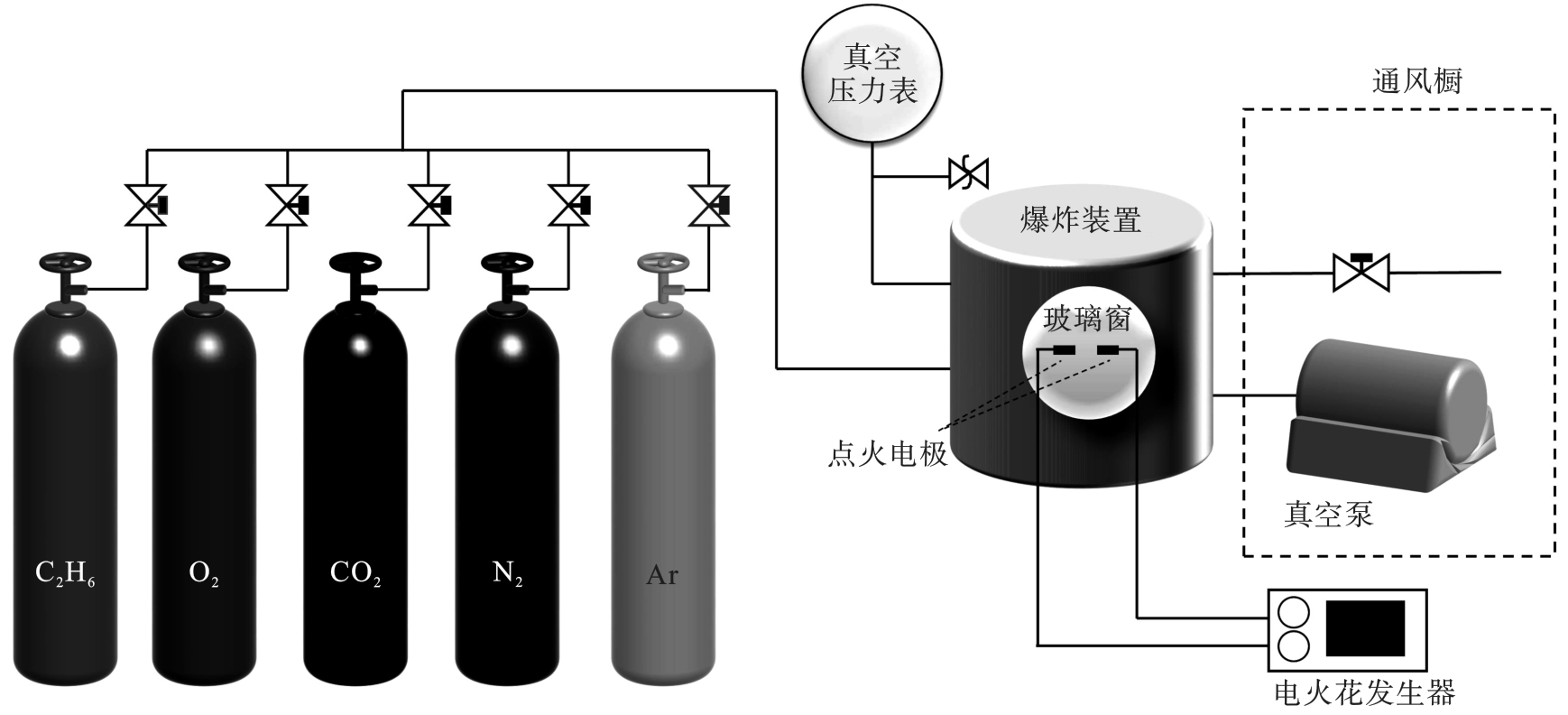
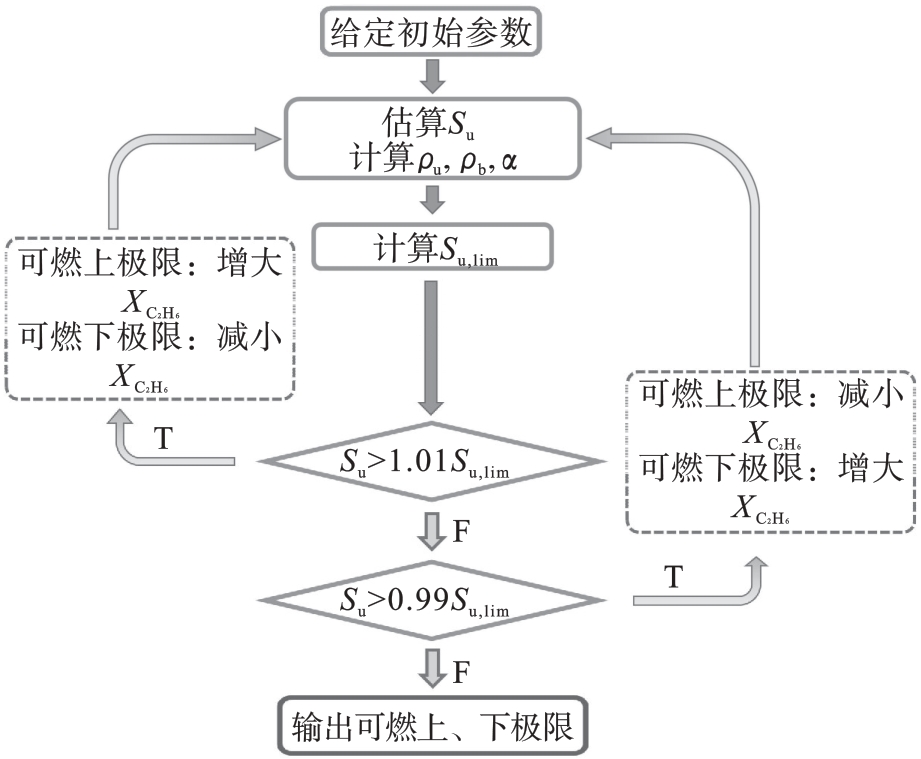
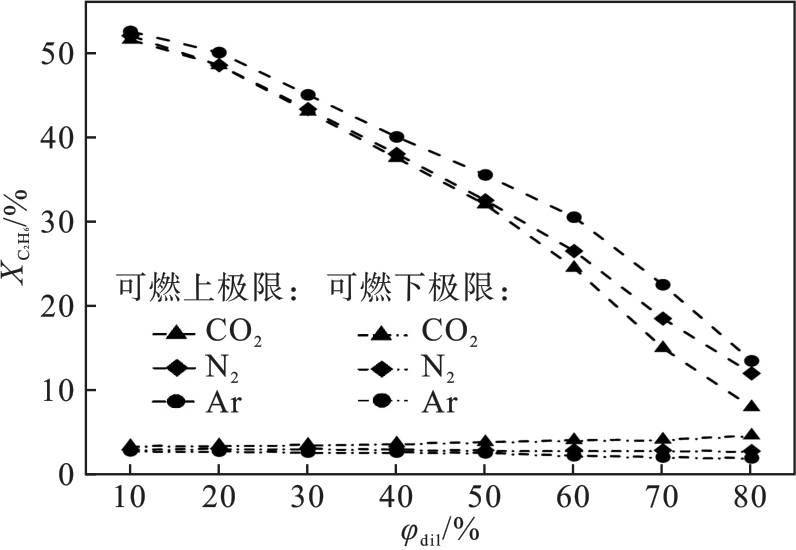
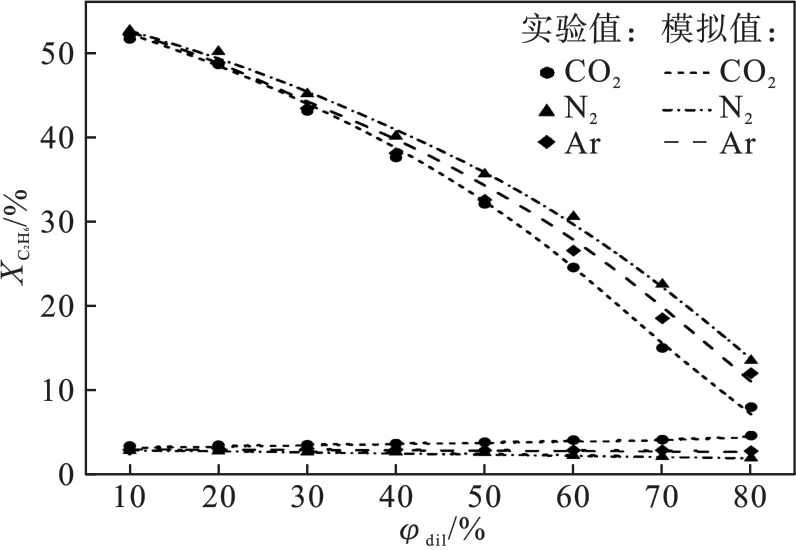
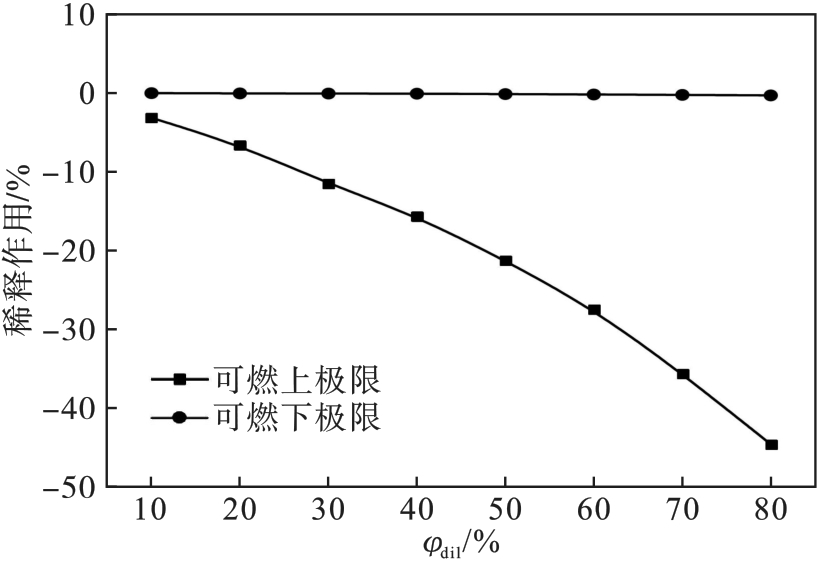
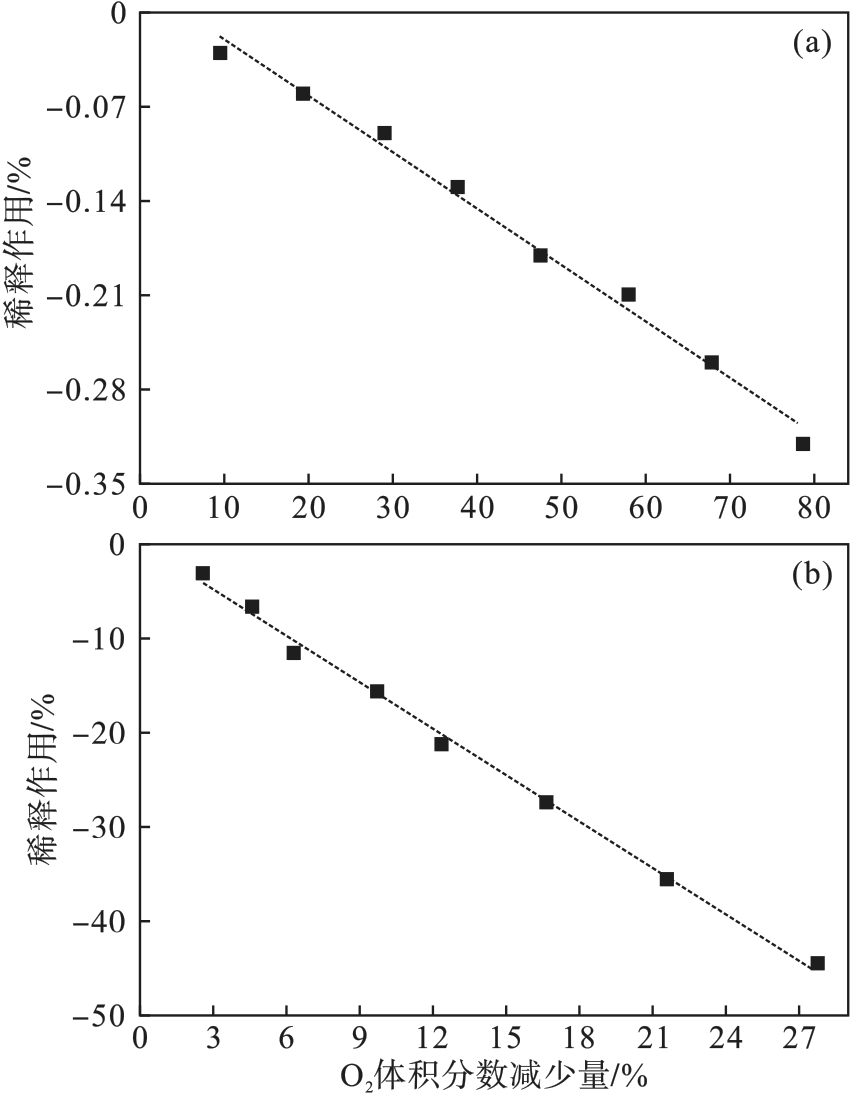
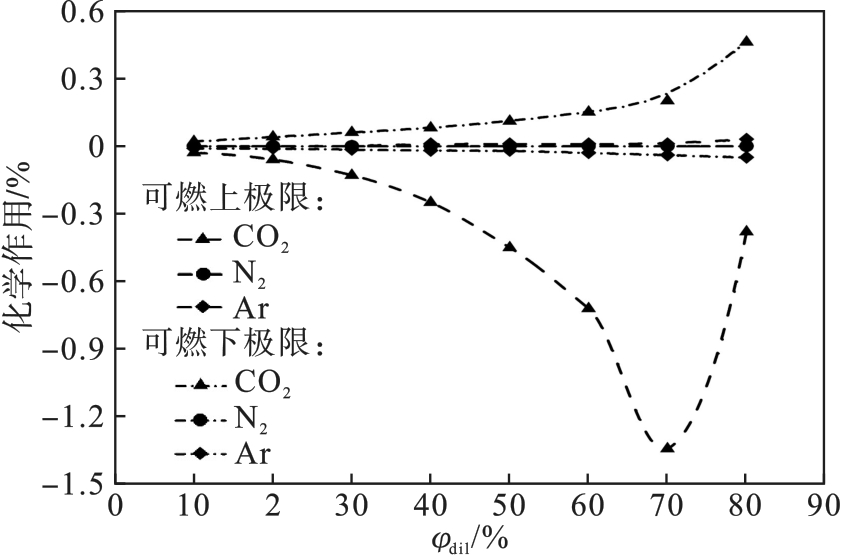
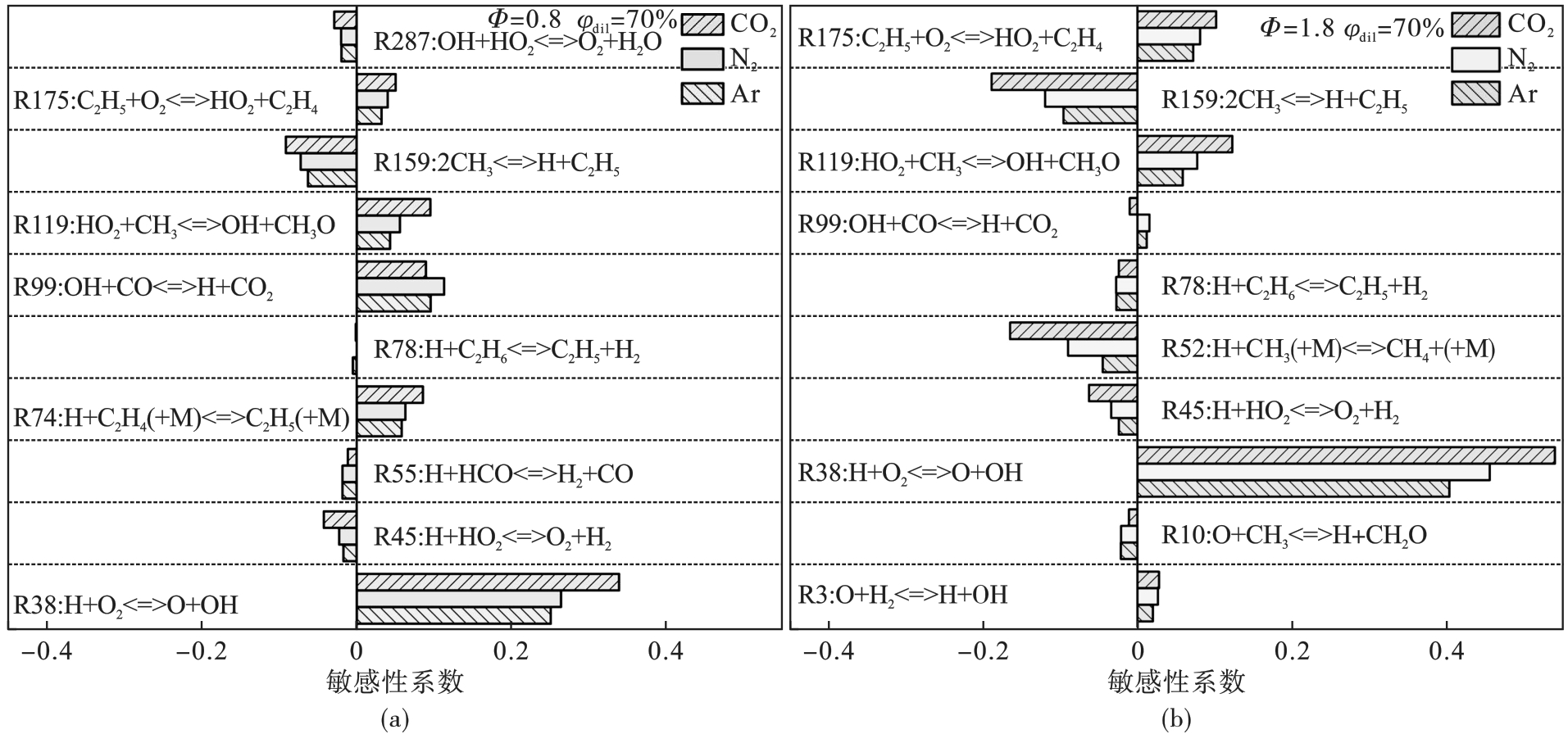
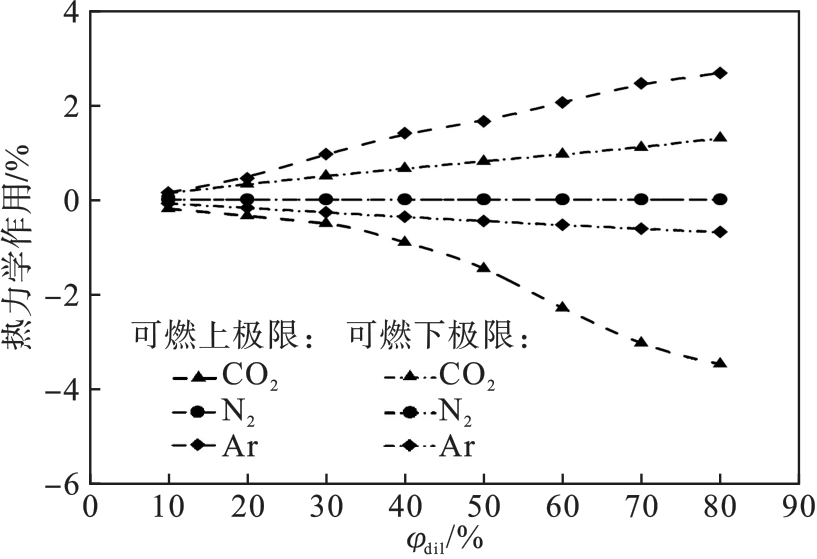
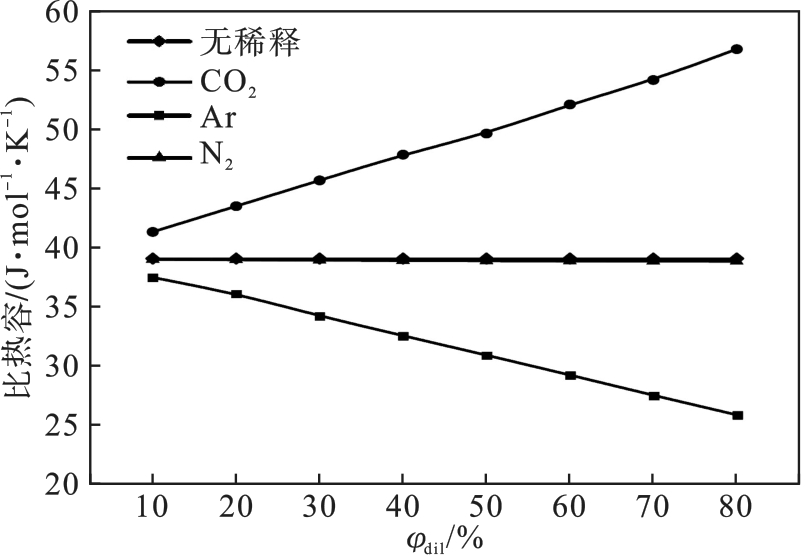
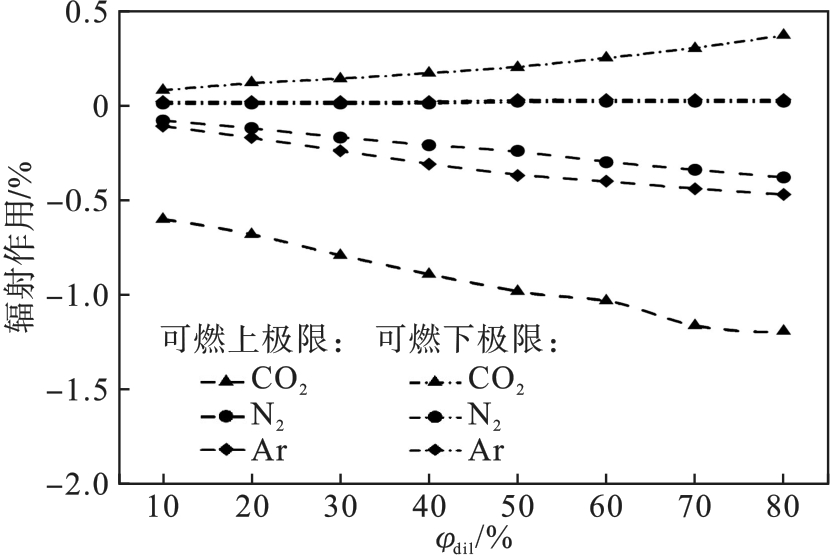
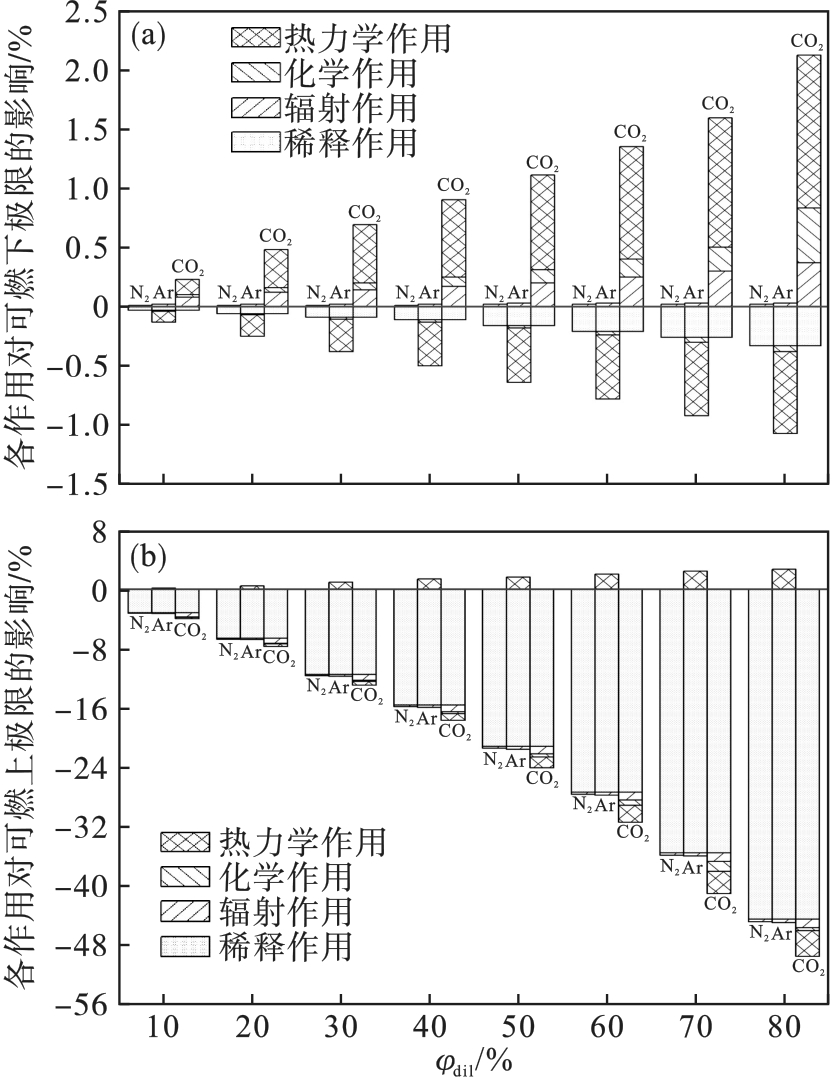
在5 L定容燃烧弹中实验测定了O2/惰性气体(N2,Ar和CO2)氛围中乙烷的可燃极限.在3种惰性气体中,CO2对可燃极限影响最大.对于可燃下极限,Ar和N2使其轻微降低,而CO2使其从3.40%增至4.65%.可燃上极限变化更显著,当惰性气体体积分数从10%增至80%时,CO2使其从51.5%降至8.0%,降低了43.5%,而Ar和N2分别使其降低39.0%和40.0%.为探究影响原因,使用极限层流燃烧速度法分离了惰性气体的稀释、化学、热力学和辐射作用的影响.结果表明,N2仅有稀释和辐射作用的影响,而Ar和CO2存在4种作用的影响.在可燃下极限处,N2的稀释作用影响最强,占总影响的99.2%,Ar和CO2的热力学作用影响最大,分别占总影响的64.4%和51.4%;对于可燃上极限,稀释作用的影响始终最大.

关键词: 气体燃料, 可燃极限, 惰性气体, 极限层流火焰速度法, 反应动力学分析

Abstract:

The flammability limit of ethane in O2/inert gases (N2, Ar, CO2) atmosphere was experimentally determined in a 5 L constant volume combustion bomb. Among the three inert gases, CO2 is of the greatest influence on the flammability limit. For the lower flammability limit, Ar and N2 decreased it slightly, while CO2 increased it from 3.40% to 4.65%. The upper flammability limit changed more significantly; as the inert gas concentration increased from 10% to 80%, CO2 reduced it from 51.5% to 8.0%, a reduction of 43.5%, while Ar and N2 reduced it by 39.0% and 40.0%. The dilution, chemical, thermodynamic, and radiation effects of inert gases were separated with the limiting laminar burning velocity method. The results show that N2 only produces the effects of dilution and radiation, while Ar and CO2 produce four effects. At the lower flammability limit, the dilution effect of N2 is the strongest, accounting for 99.2% of the total effect, and the thermodynamic effect of Ar and CO2 is the largest, accounting for 64.4% and 51.4% of the total effect, respectively. For the upper flammability limit, the dilution effect is always of the greatest influence.

Key words: gaseous fuel, flammability limit, inert gas, limiting laminar burning velocity method, reaction kinetics analysis

中图分类号: